Ancient Roman Illustrations and Statues for Branding
As a brand designer who has spent years refining visual identities for lifestyle brands and digital product creators, I approach every new graphic design asset with a critical eye. It is not enough for an image to be aesthetically pleasing; it must serve a strategic purpose. Recently, I evaluated the Ancient Roman Illustrations and Statues collection for a client launching a premium line of artisanal skincare products. The goal was to create a campaign that felt timeless, grounded, and sophisticated without appearing stuffy or outdated. This review explores how these assets perform in real-world marketing scenarios, from social media graphics to packaging design.
The First Impression: Timeless Authority and Calm
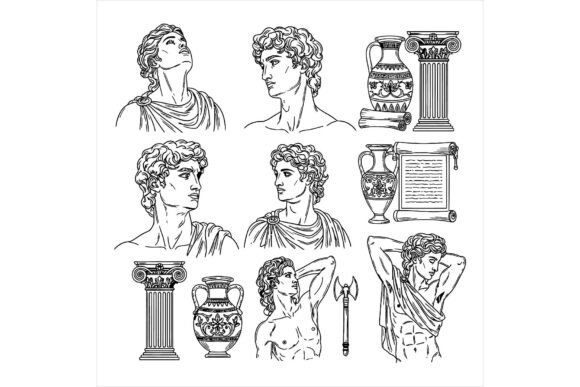
When I first opened the files, the immediate mood was one of quiet authority. The Ancient Roman Illustrations and Statues do not scream for attention; instead, they invite the viewer to pause. This is crucial in today’s noisy digital landscape. For brand owners and content marketers, this emotional tone translates into perceived value. The classical aesthetic suggests heritage, stability, and quality. Whether you are working on editorial design for a blog post or creating Instagram posts for a coaching business, these illustrations provide a backdrop of credibility.
The style is versatile enough to bridge the gap between casual branding and premium visuals. While some classical art can feel too museum-like for modern small business branding, this collection strikes a balance. It feels curated rather than archived. This makes it suitable for handmade products, lifestyle content, and even event promotions where you want to evoke a sense of occasion and elegance.
Strategic Application in Marketing Campaigns
In our recent project, we used these assets to build a cohesive brand identity. Here is how Ancient Roman Illustrations and Statues performed across various touchpoints:
- Social Media Graphics: We created a series of Pinterest pins and Facebook ads using the statues as central focal points. By placing bold, sans-serif typography over the negative space of the illustrations, we achieved a strong visual hierarchy. The contrast between the ancient stone texture and modern fonts created a dynamic tension that drove higher engagement.
- Packaging Design and Product Labels: For the skincare line, we used a subtle PNG design of a Roman bust as a watermark on the product label. This added a layer of sophistication without cluttering the design. It signaled to the customer that the product was crafted with care and tradition.
- Digital Ads and Web Design: In our header banners, the illustrations served as anchor elements. They helped guide the eye toward the call-to-action button. Because the assets are high-resolution, they scaled beautifully for both desktop hero graphics and mobile screens.
- Content Marketing and Lead Magnets: We incorporated the clipart into a downloadable guide. The illustrations broke up dense text, making the content more digestible and visually appealing. This improved audience trust and reduced bounce rates on the landing page.
Enhancing Audience Perception and Trust
One of the primary goals of any creative design project is to build audience trust. Classical imagery often subconsciously signals longevity and wisdom. When potential customers see Ancient Roman Illustrations and Statues associated with a brand, they may perceive the business as more established and reliable. This is particularly effective for online coaches, consultants, and creators selling high-ticket digital products.
The assets support stronger recognition by providing a unique visual signature. In a sea of generic stock photos, these illustrations stand out. They help create memorable campaign visuals that stick in the viewer’s mind. For content creators and digital sellers, this distinctiveness is vital for cutting through the noise of the creative marketplace.
Where These Assets Shine and Where to Exercise Caution
To get the most out of this design bundle, it is important to understand its best use cases. These illustrations excel in hero graphics, campaign headers, and decorative brand elements. They are perfect for adding a touch of class to Canva templates or creating striking posters and event flyers. The intricate details of the statues work well when given space to breathe, such as in editorial layouts or large-format prints.
However, there are situations where you should use these assets carefully. Avoid using them in dense information layouts where they might compete with the main message. They are not ideal for overly minimal brands that rely on stark whitespace and simple geometric shapes, as the organic textures of the stone may clash with the aesthetic. Additionally, be cautious with small mobile graphics. If the illustration is too complex and scaled down significantly, the details may become muddy, reducing readability and professional appearance.
Also, consider the context. While these assets work well for lifestyle and luxury branding, they may feel out of place in formal corporate branding for tech startups or highly playful, colorful brands targeting children. Always ensure the mood aligns with your core brand values.
Practical Designer Notes for Implementation
Before integrating Ancient Roman Illustrations and Statues into your next project, follow these practical steps to ensure professional branding consistency:
- Test with Your Color Palette: These illustrations often come in monochrome or sepia tones. Experiment with overlaying your brand colors using blending modes in your design software. This ensures the assets feel native to your visual identity.
- Check Black and White Usage: Verify how the SVG design or PNG design looks in pure black and white. This is essential for printing on packaging inserts or merchandise where color costs may be prohibitive.
- Typography Pairing: Test how the illustrations pair with different font styles. Serif fonts enhance the classical feel, while bold sans-serif fonts create a modern contrast. Script fonts can add a human touch, but ensure they do not clash with the rigid structure of the statues.
- Preview on Mobile: Always preview your social media graphics and digital ads on mobile devices. Ensure the key details of the illustration are visible and that the text remains legible against the background.
- Review Licensing: Before using these assets in paid campaigns or client work, confirm the commercial license terms. Ensure you have the right to use the clipart and illustration files for commercial purposes, especially if you are creating a digital product for resale.
In conclusion, Ancient Roman Illustrations and Statues are a powerful tool for marketers and designers looking to elevate their visual content. When used strategically, they enhance visual hierarchy, build audience trust, and create a distinctive brand presence. Whether you are designing a product label, crafting marketing visuals for a seasonal offer, or building a comprehensive brand identity, these assets offer the flexibility and elegance needed for modern commercial design. By paying attention to spacing, balance, and typographic pairing, you can transform these classical elements into contemporary marketing powerhouses.