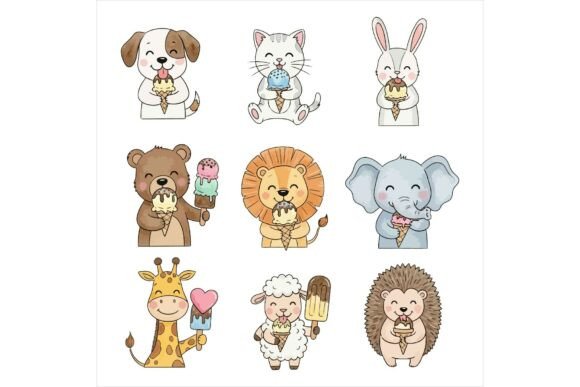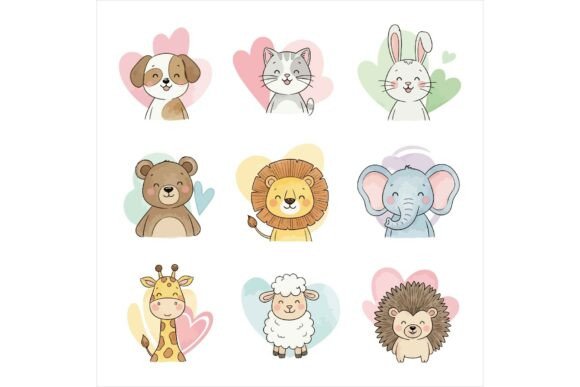
Cute Cartoon Animals Kids Book Cover Set: Illustrations Review
As a brand designer and content marketer, I approach every new graphic design asset with a critical eye. It is not just about whether an image looks good in isolation; it is about how it functions within a broader marketing ecosystem. Recently, I had the opportunity to review the Cute Cartoon Animals Kids Book Cover Set for a potential client project involving a line of educational printables. My goal was to determine if this collection could serve as a foundational element for their brand identity or if it was merely decorative fluff. After extensive testing across various digital and print mediums, I found that these Illustrations offer surprising versatility for specific niches.
First Impressions: Mood and Audience Perception
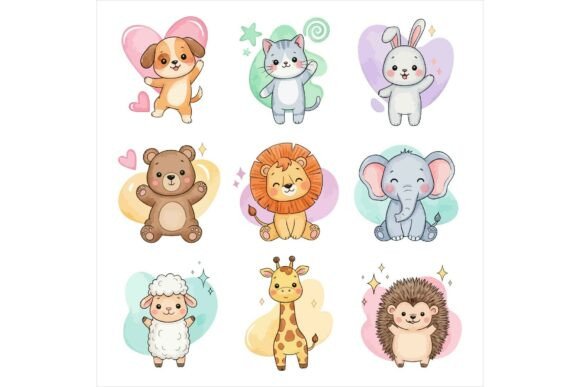
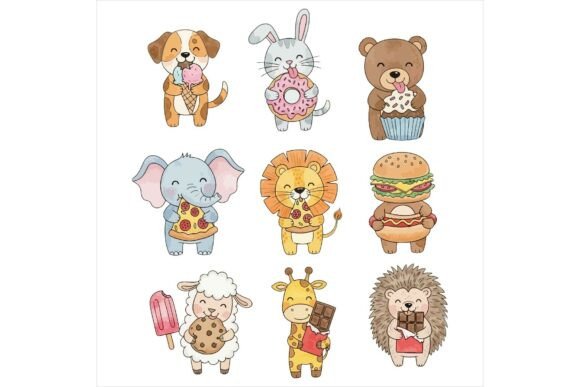
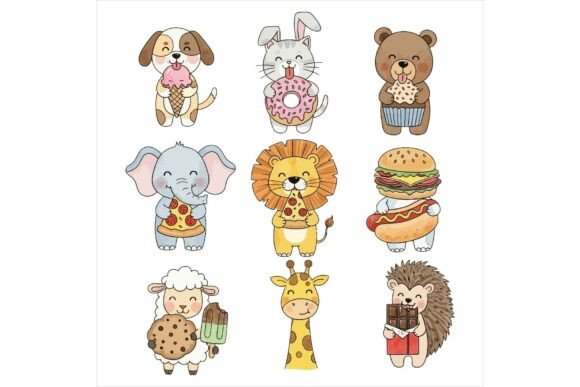
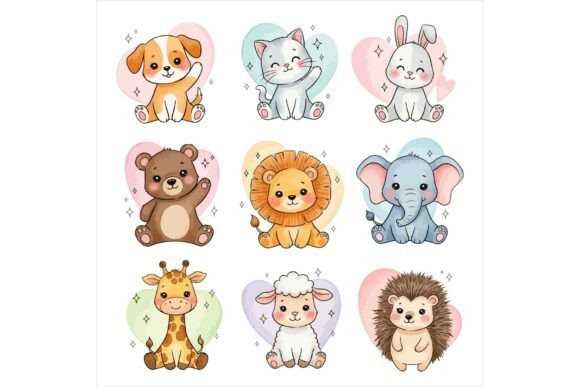
The immediate visual impact of the Cute Cartoon Animals Kids Book Cover Set is one of warmth and approachability. The style is distinctly playful, utilizing soft lines and expressive character designs that evoke nostalgia and comfort. For brands targeting parents, educators, or children, this emotional tone is invaluable. It creates an instant sense of trust and safety, which is crucial for small business branding in the education and family lifestyle sectors.
However, from a professional branding perspective, it is essential to recognize that this aesthetic is casual rather than corporate. The mood is lighthearted, making it ideal for handmade products, lifestyle content, and event promotions. It would feel out of place in high-end luxury marketing or strict B2B communications. When evaluating this design bundle, I considered how it influences audience perception. The friendly animal characters humanize the brand, suggesting that the company is caring, creative, and accessible.
Practical Applications in Marketing and Branding
In my review, I tested the Cute Cartoon Animals Kids Book Cover Set across a variety of real-world marketing scenarios. The assets performed exceptionally well in contexts where visual engagement is paramount. Here is how they fit into a comprehensive content strategy:
- Social Media Graphics: The characters work beautifully as focal points for Instagram posts and Pinterest pins. They break up text-heavy feeds and encourage scrolling stops.
- Digital Product Visuals: As the name suggests, these are perfect for ebook covers, but they also excel as icons for online courses or lead magnets.
- Packaging Design: For physical products like sticker packs or children’s toys, these Illustrations add a premium, custom feel to product labels and boxes.
- Email Banners: Using a single character as a header image can increase open rates by adding personality to otherwise sterile inboxes.
- Printable Promotions: The clarity of the PNG design files ensures they look crisp on flyers, posters, and merchandise.
For content creators and social media managers, having a cohesive set of characters allows for consistent marketing visuals. Instead of hunting for disparate clipart, you can build a recognizable visual language. This consistency strengthens audience trust and improves brand recognition over time.
Supporting Core Marketing Goals
Integrating the Cute Cartoon Animals Kids Book Cover Set into your workflow supports several key marketing objectives. First, it enhances the visual hierarchy of your designs. By using a distinct character as an anchor, you guide the viewer’s eye to the most important information, such as a call-to-action or a headline. Second, it fosters an emotional connection. In content marketing, emotions drive shares and saves. These cute animals trigger positive feelings, making your content more memorable.
Furthermore, using a high-quality SVG design or vector-based asset ensures that your commercial design materials remain professional at any size. Whether scaled down for a favicon or enlarged for a trade show banner, the integrity of the design holds up. This professionalism translates to higher perceived value for your products or services.
Strategic Placement and Limitations
While versatile, this graphic design asset is not a one-size-fits-all solution. It works best as a hero graphic in campaign headers, as an accent in packaging design, or as a decorative element in editorial layouts. It shines in Canva template creations where users want to customize their own branded materials.
However, caution is required in certain areas. Avoid using these busy, detailed illustrations in dense information layouts where readability is key. They can compete with text if not spaced correctly. Additionally, they are unsuitable for formal corporate branding or overly minimal brands that rely on stark negative space. In small mobile graphics, ensure the character is simplified enough to remain recognizable. Always test contrast against background colors to maintain modern design standards.
Designer Notes for Implementation
To get the most out of the Cute Cartoon Animals Kids Book Cover Set, follow these practical steps during your design process:
- Test Color Harmony: Place the assets alongside your existing brand color palette. You may need to adjust saturation to ensure the characters do not clash with your primary brand colors.
- Check Typography Pairing: These playful Illustrations pair well with rounded sans serif fonts or handwritten script styles. Avoid rigid, traditional serif fonts that may create a disjointed visual experience.
- Preview on Mobile: Always view your designs on a smartphone screen. What looks balanced on a desktop monitor may appear cluttered on a smaller device.
- Verify Licensing: Before using these assets in paid campaigns or client work, confirm the commercial license terms. Ensure you have the right to use them in digital ads and printable products.
- Compare with Competitors: Look at other brands in your niche. If everyone is using similar stock clipart, consider modifying these assets with unique backgrounds or textures to stand out in the creative marketplace.
In conclusion, the Cute Cartoon Animals Kids Book Cover Set is a robust tool for designers and marketers targeting family-oriented or educational audiences. When used strategically, it enhances web design, elevates editorial design, and brings life to digital ads. By respecting its limitations and leveraging its strengths, you can create compelling, cohesive, and emotionally resonant design assets that drive engagement and build lasting audience trust.